Understanding Inflammation and the Impact of Inflammatory Foods and Drinks
Inflammation is a natural process that helps the body fight injury and infection. Yet, when inflammation becomes chronic, it can contribute to various health problems, including heart disease, diabetes, and arthritis. What many people overlook is how certain foods and drinks can influence inflammation levels in the body. Understanding this connection can help you make better choices to support your health.
What Is Inflammation and Why Does It Matter?
Inflammation is the body’s immune response to harmful stimuli such as pathogens, damaged cells, or irritants. It aims to remove the cause of injury and start the healing process. There are two types of inflammation:
Acute inflammation: Short-term and beneficial, like when you get a cut or infection.
Chronic inflammation: Long-lasting and harmful, often linked to lifestyle factors including diet.
Chronic inflammation can silently damage tissues and organs over time. It plays a role in many chronic diseases, making it crucial to manage inflammation through lifestyle choices.
How Foods and Drinks Affect Inflammation
Certain foods and beverages can either promote or reduce inflammation. The impact depends on their nutrient composition and how they interact with the body’s immune system.
Inflammatory Foods and Drinks to Limit
Some common items can increase inflammation when consumed frequently or in large amounts:
Sugary beverages: Soda, sweetened juices, and energy drinks contain high sugar levels that spike blood sugar and trigger inflammatory responses.
Refined carbohydrates: White bread, pastries, and many processed snacks cause rapid blood sugar increases, promoting inflammation.
Fried foods: Foods cooked in unhealthy oils at high temperatures produce compounds that can increase inflammation.
Processed meats: Sausages, hot dogs, and deli meats often contain preservatives and saturated fats linked to inflammation.
Excessive alcohol: Drinking large amounts of alcohol can irritate the gut and increase inflammatory markers.
Foods and Drinks That Help Reduce Inflammation
On the other hand, some foods contain nutrients that help calm inflammation:
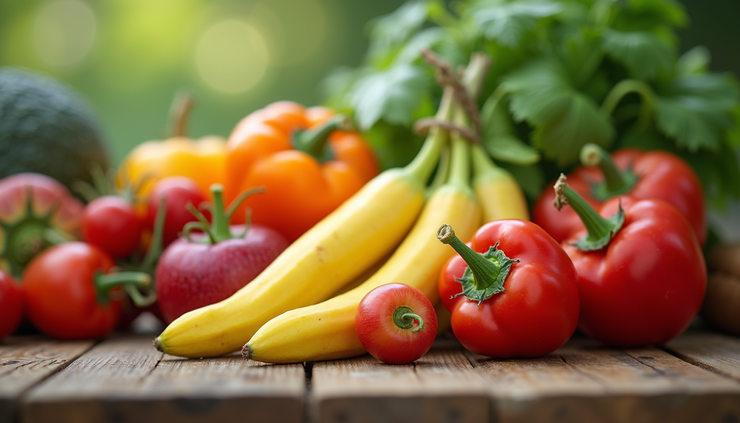
Fruits and vegetables: Rich in antioxidants and fiber, they help neutralize free radicals and support gut health.
Fatty fish: Salmon, mackerel, and sardines provide omega-3 fatty acids, which have strong anti-inflammatory effects.
Nuts and seeds: Almonds, walnuts, and flaxseeds contain healthy fats and antioxidants.
Whole grains: Brown rice, quinoa, and oats provide fiber that supports a healthy gut microbiome.
Green tea: Contains polyphenols that reduce inflammation and oxidative stress.
Practical Tips to Manage Inflammation Through Diet
Making small changes in your diet can significantly impact inflammation levels:
Replace sugary drinks with water, herbal teas, or infused water.
Choose whole grains instead of refined grains.
Include fatty fish in your meals at least twice a week.
Snack on nuts or seeds instead of processed snacks.
Fill half your plate with colorful vegetables and fruits at each meal.
Limit fried and processed foods to occasional treats.
The Role of Lifestyle Beyond Diet
While diet plays a major role, other lifestyle factors also influence inflammation:
Regular physical activity helps reduce inflammatory markers.
Adequate sleep supports immune function and lowers inflammation.
Stress management through mindfulness or relaxation techniques can prevent inflammation triggered by chronic stress.
When to Seek Medical Advice
If you experience persistent symptoms like joint pain, fatigue, or digestive issues, it may be related to chronic inflammation. Consult a healthcare professional for proper evaluation and guidance. Dietary changes can support health but are not a substitute for medical treatment when needed.
Understanding how inflammatory foods and drinks affect your body empowers you to make choices that support long-term health. By focusing on nutrient-rich, whole foods and limiting processed, sugary, and fried items, you can help reduce chronic inflammation and its risks. Start with small, manageable changes today to build a healthier future.
Comments