Understanding Common Human Parasites and Their Impact on Health
Parasites live inside or on the human body, often unnoticed, yet they can cause a range of health problems. Knowing which parasites commonly infect people and how they affect the body helps us recognize symptoms early and seek proper treatment. This post explores some of the most common human parasites, their effects, and what to watch for.
What Are Human Parasites?
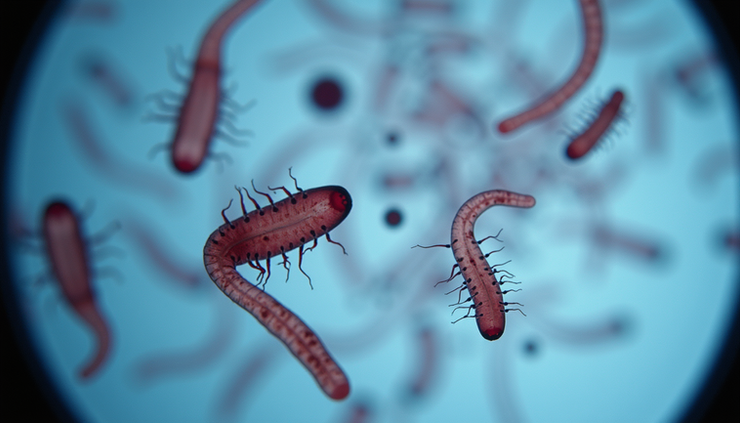
Parasites are organisms that live on or inside a host, feeding off it to survive. In humans, parasites can be microscopic or visible to the naked eye. They often enter the body through contaminated food, water, insect bites, or direct contact. Once inside, they may live in the intestines, blood, tissues, or organs.
Parasites can cause mild discomfort or serious illness depending on the type and the person’s health. Some parasites live quietly without symptoms, while others trigger immune responses or damage tissues.
Common Parasites Found in Humans
1. Protozoa
These are single-celled parasites that multiply inside the body. They often infect the intestines or blood.
Giardia lamblia
Causes giardiasis, leading to diarrhea, stomach cramps, and nausea. It spreads through contaminated water or food.
Entamoeba histolytica
Causes amoebic dysentery, with symptoms like severe diarrhea, stomach pain, and sometimes liver abscesses.
Plasmodium species
Responsible for malaria, transmitted by mosquito bites. It infects red blood cells, causing fever, chills, and anemia.
2. Helminths
These are larger, multicellular worms that live in the intestines or other tissues.
Roundworms (Ascaris lumbricoides)
One of the most common intestinal worms worldwide. They can cause abdominal pain, malnutrition, and intestinal blockage.
Tapeworms (Taenia species)
These flatworms attach to the intestines and absorb nutrients. Infection may cause weight loss, abdominal discomfort, and vitamin deficiencies.
Hookworms (Ancylostoma duodenale and Necator americanus)
They enter through the skin, often feet, and migrate to the intestines. Hookworms cause anemia and fatigue by feeding on blood.
Pinworms (Enterobius vermicularis)
Common in children, pinworms cause itching around the anus, especially at night.
3. Ectoparasites
These live on the skin rather than inside the body.
Scabies mites (Sarcoptes scabiei)
Cause intense itching and rash by burrowing into the skin.
Lice (Pediculus humanus)
Infest hair and skin, causing itching and sometimes secondary infections from scratching.
How Parasites Affect the Body
Parasites impact health in several ways:
Nutrient Depletion
Many intestinal parasites absorb nutrients from food, leading to malnutrition, weight loss, and vitamin deficiencies.
Tissue Damage
Some parasites invade tissues or organs, causing inflammation, scarring, or organ dysfunction. For example, liver flukes can damage the liver.
Immune Response
The body’s immune system reacts to parasites, which can cause symptoms like fever, swelling, and allergic reactions.
Toxin Release
Parasites may release toxins that affect the nervous system or other organs, leading to symptoms such as headaches or muscle pain.
Secondary Infections
Scratching or tissue damage caused by parasites can open the door to bacterial infections.
Recognizing Symptoms of Parasite Infections
Symptoms vary widely depending on the parasite and infection severity. Common signs include:
Digestive issues: diarrhea, constipation, gas, bloating, stomach pain
Fatigue and weakness
Unexplained weight loss
Itching, especially around the anus or skin
Fever and chills (in blood infections like malaria)
Anemia or pale skin
Visible worms in stool or around the anus
If these symptoms persist, especially after travel or exposure to contaminated water or food, medical evaluation is important.
Preventing Parasite Infections
Preventing parasites involves simple but effective habits:
Drink clean, filtered, or boiled water
Wash hands thoroughly before eating and after using the bathroom
Cook meat and fish properly to kill parasites
Avoid walking barefoot in areas where hookworms are common
Maintain good personal hygiene and clean living environments
Use insect repellent and mosquito nets in malaria-prone areas
Treatment Options
Treatment depends on the parasite type. Doctors usually prescribe antiparasitic medications such as:
Metronidazole for Giardia and amoebic infections
Albendazole or mebendazole for roundworms and hookworms
Praziquantel for tapeworms and flukes
Specific antimalarial drugs for malaria
Early diagnosis and treatment reduce complications and improve recovery.
Parasites are a hidden threat that can affect anyone, especially in areas with poor sanitation or limited access to clean water. Understanding the common parasites and their effects helps you stay alert to symptoms and take preventive steps. If you suspect a parasite infection, seek medical advice promptly to protect your health and well-being.
Comments