Understanding Asthma: Detection Methods and Common Triggers
Asthma affects millions worldwide, yet many people still misunderstand what it really is and how to recognize it. This chronic condition narrows and inflames the airways, making breathing difficult. Knowing how to detect asthma early and understanding what triggers it can help manage symptoms and improve quality of life.
What Is Asthma?
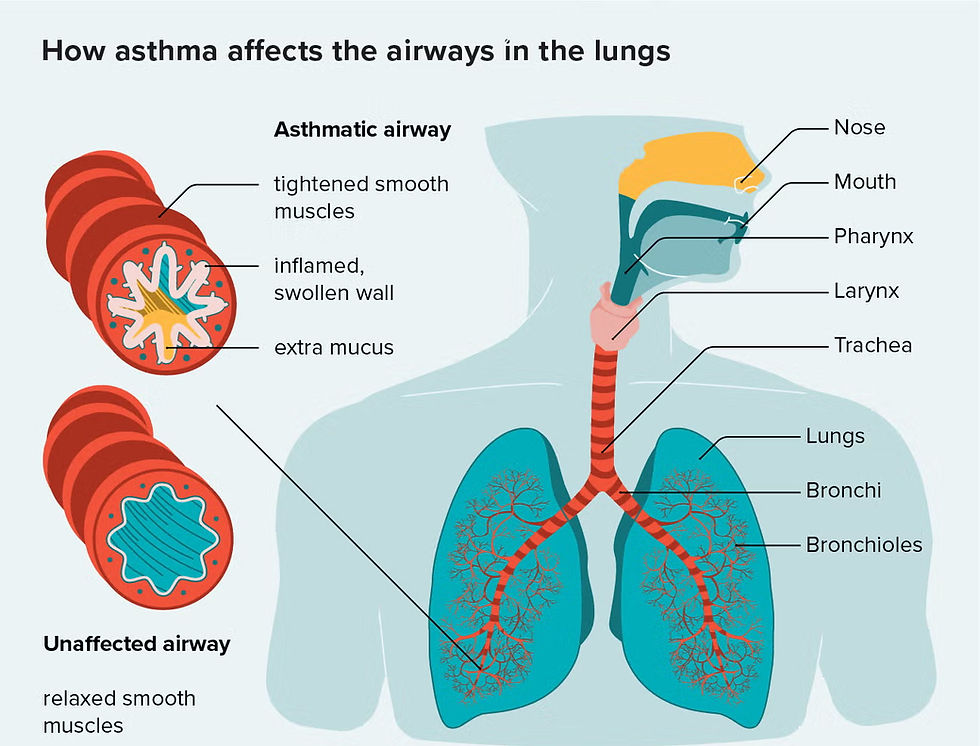
Asthma is a long-term lung condition that causes the airways to swell and tighten. This swelling reduces airflow, leading to symptoms like coughing, wheezing, shortness of breath, and chest tightness. The severity of asthma varies from person to person. Some experience occasional mild symptoms, while others may have frequent and severe attacks that require medical attention.
Asthma often starts in childhood but can develop at any age. It is not contagious and cannot be cured, but with proper care, people with asthma can lead active, healthy lives.
How to Detect Asthma
Recognizing asthma early is crucial for effective treatment. Here are common signs and methods used to detect asthma:
Common Symptoms
Wheezing: A high-pitched whistling sound when breathing out.
Shortness of breath: Feeling like you can’t get enough air.
Chest tightness: A feeling of pressure or squeezing in the chest.
Coughing: Often worse at night or early morning, sometimes triggered by exercise or cold air.
Medical Evaluation
If you experience these symptoms regularly, a healthcare provider will perform tests to confirm asthma:
Spirometry: This test measures how much air you can breathe out and how fast. It helps assess airway obstruction.
Peak flow measurement: A simple device measures how fast you can blow air out of your lungs. Lower readings may indicate asthma.
Methacholine challenge: In some cases, doctors use this test to see if your airways are sensitive and narrow easily.
Allergy testing: Since allergies often trigger asthma, identifying allergens can help manage symptoms.
When to See a Doctor
If you notice persistent coughing, wheezing, or difficulty breathing, especially if symptoms worsen at night or during exercise, seek medical advice. Early diagnosis helps prevent severe attacks and lung damage.
Common Triggers of Asthma
Asthma symptoms flare up when exposed to certain triggers. These vary by individual but often include:
Allergens
Pollen: Seasonal allergies can worsen asthma.
Dust mites: Tiny bugs in bedding and furniture cause reactions.
Pet dander: Proteins from cats, dogs, and other animals can trigger symptoms.
Mold: Damp environments promote mold growth, which irritates airways.
Irritants
Tobacco smoke: Both active smoking and secondhand smoke are major triggers.
Air pollution: Vehicle exhaust, industrial fumes, and smog can worsen asthma.
Strong odors: Perfumes, cleaning products, and paints may cause attacks.
Physical Factors
Exercise: Physical activity can cause exercise-induced bronchoconstriction.
Cold air: Breathing cold, dry air often triggers symptoms.
Respiratory infections: Colds and flu can inflame airways and worsen asthma.
Emotional Stress
Stress and strong emotions can tighten airways and lead to symptoms.
Managing Asthma Triggers
Avoiding or reducing exposure to triggers helps control asthma:
Use air purifiers and keep windows closed during high pollen seasons.
Wash bedding weekly in hot water to kill dust mites.
Keep pets out of bedrooms and bathe them regularly.
Avoid smoking and stay away from smoky environments.
Use fragrance-free cleaning products and avoid strong chemicals.
Warm up before exercise and cover your mouth in cold weather.
Get vaccinated against flu and pneumonia to reduce infection risk.
The Importance of Asthma Action Plans
Working with a healthcare provider to create a personalized asthma action plan is essential. This plan outlines:
How to recognize worsening symptoms.
When and how to use medications like inhalers.
When to seek emergency care.
Following this plan helps prevent severe attacks and keeps asthma under control.
Asthma is a manageable condition once you understand how to detect it and identify what triggers your symptoms. Pay attention to breathing changes and seek medical advice if you notice persistent issues. Avoiding common triggers and following a clear action plan can help you breathe easier and live well. If you suspect asthma, don’t wait—early detection and management make a significant difference.
Comments